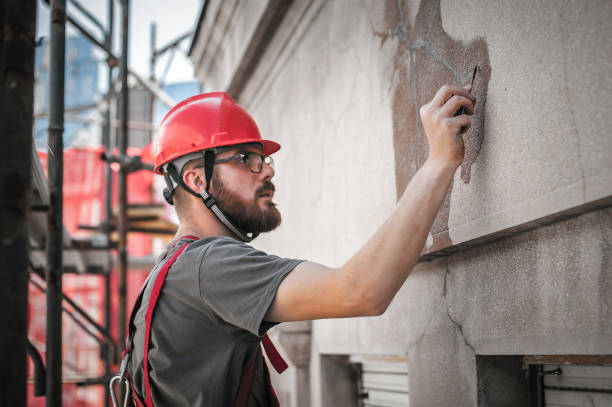
Concrete failing in Montana? Here is a complete guide to best surface repair & restoration — methods, costs, and how to choose the right approach.
Concrete in Montana takes more abuse than most people realize. The combination of long, harsh winters, dry summers, mountain UV exposure, road salt, and freeze-thaw cycles puts concrete surfaces through cycles of stress that other parts of the country never see. Sidewalks crack. Driveways spall. Foundation walls develop hairline fractures. Industrial floors lose their finish under heavy use. Bridges and parking structures deteriorate at the joints.
Most property owners notice the damage long before they understand what to do about it. The choices feel overwhelming. Replace? Repair? Coat? Patch? Different contractors recommend different approaches and the prices vary wildly. Knowing what your concrete actually needs starts with understanding what repair and restoration options exist and when each one makes sense.
Montana Concrete Products has worked with property owners across Montana on concrete repair and restoration projects for years, and we have seen what works and what fails. This guide walks through the full range of surface repair options, when each one applies, and how to make smart decisions about your specific concrete situation.
Why Concrete Fails in Montana
Before getting into repair methods, it helps to understand what is actually damaging concrete in this climate. The repair approach depends on the underlying cause.
Freeze-Thaw Damage
Water enters tiny pores in concrete. When it freezes, it expands and forces the concrete apart from the inside. Repeat this 80 to 100 times over a Montana winter and the cumulative damage shows up as spalling, scaling, and surface deterioration.
A 2023 report from the American Concrete Institute showed that Montana experienced an average of 90 freeze-thaw cycles annually in most populated areas, placing it among the top three states for freeze-thaw damage potential.
De-Icing Salt Damage
Road salts and de-icing chemicals penetrate concrete and accelerate damage. Chloride ions attack the steel reinforcement inside concrete, causing it to rust and expand. This creates internal pressure that cracks the concrete from within.
UV Degradation
Montana’s high elevation and clear skies mean UV exposure is more intense than in many other regions. Surface sealers, coatings, and exposed aggregates all degrade faster than they would at lower elevations.
Settlement and Movement
Soil conditions across Montana vary widely. Some properties sit on stable bedrock. Others sit on expansive clays or fill soils that move with moisture changes. Concrete that does not move with the soil cracks.
Wear and Heavy Use
Industrial and commercial concrete sees mechanical wear from equipment, vehicles, and constant traffic. Even quality concrete eventually shows wear in heavy-use applications.
Types of Surface Repair and Restoration
Different damage types call for different repair approaches. Here are the main categories.
Crack Repair
Cracks fall into several types, each with appropriate repair methods.
Hairline cracks (under 1/8 inch) can usually be addressed with surface-applied crack sealers that penetrate and fill the crack from above.
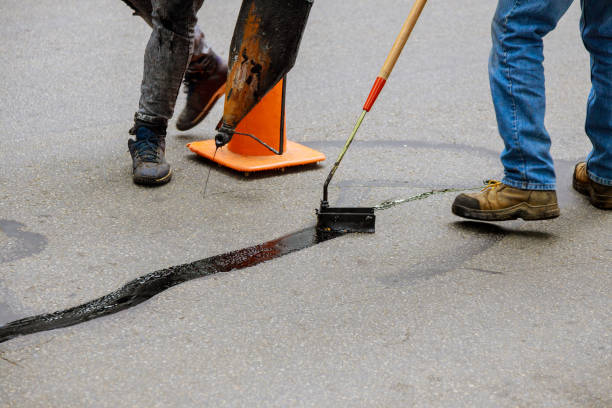
Wider cracks (1/8 to 1/2 inch) typically need to be widened to a consistent profile, cleaned, and filled with a flexible crack filler that can move with thermal expansion.
Structural cracks (over 1/2 inch, or cracks showing displacement) often need epoxy injection that bonds the concrete back together structurally. This requires specialized equipment and skills.
Spall Repair
Spalling is where the concrete surface flakes, chips, or breaks away. Common on driveways, sidewalks, and exposed slabs after several Montana winters.
Repair involves removing all damaged concrete down to sound material, cleaning the area thoroughly, and applying a bonding agent followed by a repair mortar or polymer-modified concrete. Quality spall repairs blend with the surrounding concrete and last for years when done correctly.
Joint Repair and Restoration
Control joints, expansion joints, and construction joints all deteriorate over time. Joint sealants harden, crack, and lose their ability to handle movement. Water penetrates the joints and accelerates damage to the surrounding concrete.
Joint restoration involves cleaning out old failed sealant, preparing the joint properly, and installing new flexible sealant designed for the specific application.
Surface Resurfacing
When concrete has widespread surface damage but the underlying slab is sound, surface resurfacing can restore the appearance and functionality. A thin overlay of polymer-modified concrete or specialty resurfacing material covers the damaged surface and provides a fresh, durable finish.
Coating and Sealing
For concrete in good structural condition that needs protection from further damage, quality coatings and sealers extend lifespan significantly. Heavy-duty coatings work for industrial and commercial applications. Penetrating sealers work for residential driveways and sidewalks.
Full Replacement
When concrete damage is too extensive or structural to repair economically, full replacement is the right answer. Replacement provides the longest-term solution but costs significantly more than repair.
Realistic Cost Expectations
Concrete repair and restoration costs in Montana vary based on the specific work needed.
| Repair Type | Cost Range | Lifespan |
| Crack sealing (hairline) | $1 – $4 per linear ft | 3 – 7 years |
| Crack repair (wider cracks) | $3 – $8 per linear ft | 5 – 10 years |
| Structural crack injection | $10 – $30 per linear ft | 20+ years |
| Spall repair (per location) | $50 – $300 each | 5 – 15 years |
| Joint restoration | $3 – $8 per linear ft | 5 – 10 years |
| Surface resurfacing | $3 – $8 per sq ft | 8 – 15 years |
| Heavy-duty coating | $6 – $12 per sq ft | 10 – 20+ years |
| Full replacement | $8 – $20+ per sq ft | 25 – 40+ years |
These ranges assume professional installation. DIY repair is possible for some categories but the durability rarely matches professional work.
A 2022 industry study from the Concrete Repair Institute found that professionally repaired concrete with proper surface preparation lasted an average of 3 to 4 times longer than DIY repairs using consumer-grade products in the same applications.
How to Choose the Right Approach
The repair approach depends on the concrete’s condition, your budget, and how long you need the repair to last.
Step One: Assess the Damage
Walk the property and document all the concrete issues. Take photos. Measure cracks, count spalled areas, note joint conditions. A clear picture of what is wrong is the foundation for any repair plan.
Step Two: Identify the Cause
Is the damage from age and weather? Heavy use? Settlement? Salt exposure? Knowing the cause helps determine whether repair will hold up or whether the same problems will return quickly.
Step Three: Decide Repair vs Replacement
Cost is the obvious consideration but not the only one. Other factors include:
How much longer the repaired concrete needs to last. Whether the underlying slab is structurally sound. Whether disruption from replacement is feasible. Aesthetic considerations for visible surfaces.
A general guideline: when repair costs approach 50 percent of replacement cost on damaged sections, replacement often makes more sense.
For property owners in this area, our team handles Best Surface Repair & Restoration in Montana with detailed assessments that help you understand your actual options. We are honest about when repair is the right call and when replacement makes more sense — we have no interest in recommending repairs that will fail and frustrate you later.
Step Four: Choose Quality Products
The product matters significantly. Cheap consumer-grade repair products often fail within a year or two in Montana conditions. Professional-grade repair materials designed for freeze-thaw exposure and UV resistance hold up much longer.
Step Five: Pick a Qualified Contractor
Surface preparation determines repair longevity as much as the product itself. Qualified contractors take time to prep properly, use the right products, and install with techniques that actually work. Cheap contractors who skip prep work or use the wrong materials waste your money even when the upfront price looks attractive.
Surface Preparation Is Where Most Repairs Live or Die
This point deserves its own attention because it is the single biggest factor in repair longevity.
Quality surface preparation includes:
Mechanical removal of all damaged concrete down to sound material.
Thorough cleaning of the repair area to remove dust, loose particles, and contaminants.
Profiling of the repair surface so the new material bonds mechanically.
Moisture testing to verify the substrate is in the right condition.
Application of bonding agents where needed to promote adhesion.
A 2023 study from the International Concrete Repair Institute found that 70 percent of premature repair failures could be traced to inadequate surface preparation rather than material defects or installation errors. The contractor who takes prep work seriously is the one whose repairs actually last.
Long-Term Protection After Repair
Once concrete is repaired, protecting it from further damage extends the life of both the repair and the surrounding concrete.
Penetrating Sealers
Penetrating sealers soak into the concrete and provide internal protection against water intrusion without changing the surface appearance. Most last 3 to 10 years depending on the product and conditions.
Surface Coatings
Heavy-duty surface coatings provide thicker, more durable protection for industrial and commercial applications. These last 10 to 20+ years with proper installation.
Crack Maintenance
Regular inspection and resealing of joints and any new cracks prevents water intrusion that causes further damage. A small annual maintenance budget prevents major repair costs later.
Snow and Ice Management
Using less aggressive de-icing chemicals and removing snow promptly reduces freeze-thaw exposure. Calcium chloride and sodium chloride are harder on concrete than calcium magnesium acetate or sand for traction.
Common Repair Mistakes
A few specific mistakes show up repeatedly in failed concrete repairs:
Using the wrong product for the application. Patching mortars, crack sealers, and coatings are not interchangeable.
Skipping surface preparation. Smooth, contaminated, or dusty surfaces will not bond properly.
Applying repairs in wrong weather conditions. Most concrete repair materials need specific temperature ranges and dry conditions during cure.
Ignoring underlying causes. Repairing a crack without addressing the settlement or movement that caused it just means the crack will return.
Cutting corners on materials. The cost difference between professional-grade and consumer-grade repair materials is often small compared to the labor cost, but the lifespan difference is significant.
Final Thoughts
Concrete repair and restoration is one of those areas where knowing your options helps significantly. Different damage types need different approaches. The right repair done properly lasts for years. The wrong approach or sloppy execution fails within a season. For Montana property owners, the combination of harsh climate and aggressive de-icing chemicals makes quality repair work particularly important. Time spent understanding your options and hiring qualified contractors saves significant money and frustration over the long term.
Our team offers Expert Elephant Armor waterproof coating in Montana along with full surface repair, crack injection, joint restoration, and protective coating services. If you have damaged concrete and want straight answers about your repair options, reach out and we are happy to walk through your specific situation and provide a detailed quote.
Frequently Asked Questions
How do I know if my concrete needs repair or full replacement?
The general guideline is that when repair costs approach 50 percent of replacement cost, replacement usually makes more sense. Other factors include whether the underlying slab is structurally sound, how much longer you need the concrete to last, and how visible the surface is. Severely damaged concrete with multiple problems often costs more to repair piecemeal than to replace cleanly. A qualified contractor can give honest guidance based on a real assessment.
Can I do concrete repair myself or do I need a professional?
Some small repairs work fine as DIY projects — filling small cracks with quality crack sealer, patching small spalls with concrete repair mortar. Larger repairs, structural cracks, joint restoration, and any work requiring proper surface preparation usually benefit from professional installation. Consumer-grade repair products typically last 1 to 3 years compared to 5 to 15 years for professionally installed repairs using contractor-grade products.
How long do concrete repairs typically last in Montana conditions?
Lifespan depends on the repair type, product quality, and installation quality. Quality crack repairs last 5 to 10 years. Professional spall repairs last 5 to 15 years. Surface resurfacing with quality materials lasts 8 to 15 years. Heavy-duty coatings last 10 to 20+ years. Repairs done with inadequate surface preparation or consumer-grade materials often fail within 1 to 3 years.
What time of year is best for concrete repair in Montana?
Late spring through early fall offers the best conditions for most concrete repair work in Montana. Temperatures need to be consistently above 50°F for most repair products to cure properly. Summer is peak season for concrete work, so booking early helps secure dates. Some specialty products can be applied in colder conditions but typically with limitations. Winter repair is generally not practical for most applications.
How can I prevent future damage to repaired concrete?
Use less aggressive de-icing chemicals during winter — calcium magnesium acetate or sand are easier on concrete than chloride salts. Remove snow promptly to reduce freeze-thaw exposure. Apply quality penetrating sealers every 3 to 7 years to prevent water intrusion. Inspect annually and address small cracks before they grow. Avoid putting heavy loads on damaged areas until repairs are complete. These small habits significantly extend the life of both repairs and the surrounding concrete.