Stop freeze-thaw damage before it starts. Montana Concrete applies sealers in Wyoming built for harsh winters, UV exposure, and heavy snow. Get a free quote.
Your driveway looked fine in September. By March, it was spalling at the edges, hairline cracks had turned into gaps, and the surface had that chalky, weathered look that no amount of pressure washing fixes. This is the story we hear every spring from property owners across Wyoming — from Cheyenne to Casper, from Laramie to Gillette. Sealers in Wyoming are not a luxury. They are the difference between concrete that lasts twenty years and concrete that needs replacement in eight.
Montana Concrete has been applying protective sealers to driveways, warehouse floors, and commercial slabs throughout Wyoming for over a decade. We have seen what works, what fails, and what most property owners only figure out after the damage is already done.
What Concrete Sealers Actually Do for Wyoming Surfaces
Concrete sealers are protective treatments that penetrate or coat the surface of cured concrete to block moisture, chemicals, and environmental wear. In Wyoming, that means more than just keeping water out. It means defending against freeze-thaw cycles that can shatter a slab from the inside, UV radiation that degrades surface binders at high altitude, and de-icing salts that chemically attack the concrete matrix during long, brutal winters.
In Wyoming, we’ve noticed that most homeowners assume a single coat of any sealer will last for years. That assumption costs them. Wyoming’s climate is uniquely punishing. The state sees temperature swings of 40 degrees in a single day, winter lows that regularly drop below zero, and heavy snow loads that sit on concrete for weeks at a time. A thin, cheap acrylic coating from a big-box store will not survive that. It will peel, flake, or simply wear away before the first spring thaw.sealers in Wyoming
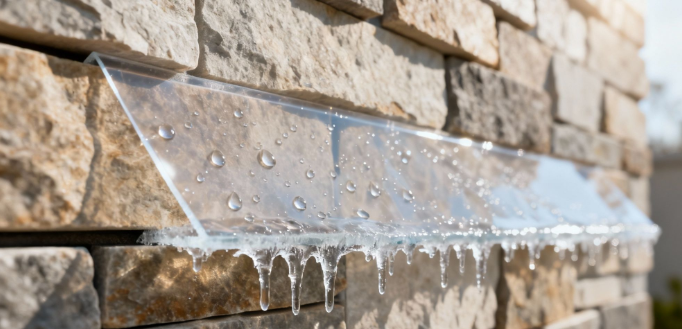
Working with clients in Wyoming, our team found that driveways and commercial slabs treated with silane-siloxane penetrating sealers hold up dramatically better than those coated with film-forming products alone. Penetrating sealers soak into the concrete’s capillary structure and chemically bond, creating a hydrophobic barrier deep inside the slab. This keeps water from entering in the first place — critical in a state where water trapped in concrete freezes, expands by roughly 9 percent, and cracks the material from within. Film-forming sealers like acrylics or epoxies sit on top. They look good initially, but if moisture gets underneath through a crack or joint, it has nowhere to go. In Wyoming’s climate, that trapped moisture freezes, and the coating bubbles, delaminates, or traps damage underneath.
The best approach for most Wyoming properties is a hybrid system: a penetrating silane-siloxane base for deep moisture protection, topped with a breathable acrylic or polyurethane layer for surface defense and aesthetic finish. This gives you the durability of deep penetration plus the clean, finished look most property owners want.
The Real Challenge Wyoming Property Owners Face
Wyoming’s concrete problem is not just cold. It is the combination of cold, dryness, altitude, and rapid temperature change. At elevations often exceeding 6,000 feet, UV intensity is significantly higher than at sea level. That UV breaks down organic binders in concrete over time, causing surface erosion and color fading. Then winter hits. The ground freezes hard. Snow sits for weeks. Road crews spread magnesium chloride and sand. That salt works its way into every crack and pore. When temperatures swing from 15°F at night to 55°F by afternoon, the freeze-thaw cycle accelerates. Water moves in, freezes, expands, thaws, and moves deeper. Each cycle widens the damage.
A client in Cheyenne reached out when they noticed their three-year-old warehouse floor was dusting — a fine powder coming off the surface every time a forklift passed. They had sealed it with a water-based acrylic product recommended by a national supplier. The sealer had failed within eighteen months because it could not handle the thermal cycling and heavy salt exposure from the adjacent loading dock. We stripped the old coating, repaired the spalled areas with a polymer-modified patch, and applied a two-part silane-siloxane penetrating treatment followed by a high-solids polyurethane topcoat. The floor has been solid for four years now, with no dusting, no staining, and no new cracking.sealers in Wyoming
Here is the objection most competitors ignore: property owners often think sealing is a one-and-done job. They apply a product, check the box, and move on. In Wyoming, that mindset is expensive. Sealers degrade. Penetrating treatments can last 5 to 10 years, but film-forming coatings often need reapplication every 2 to 3 years under heavy use and extreme weather. The companies that sell you a single application and disappear are not protecting your investment. They are setting you up for repair bills down the road.
How Montana Concrete Approaches Sealing Differently
Most concrete sealing companies in Wyoming show up, spray a product, and leave. Montana Concrete does not work that way. We start with an on-site assessment of your slab’s condition, age, exposure level, and usage. We test for existing moisture content, check for active cracks or spalling, and evaluate drainage around the perimeter. Only then do we recommend a specific sealer system.
What sets us apart in Wyoming specifically is our understanding of elevation and climate zones. A driveway in Jackson at 6,200 feet faces different UV and freeze-thaw stress than a commercial pad in Rock Springs at 6,800 feet or a residential slab in Sheridan at 3,700 feet. We adjust our product selection and application thickness based on your exact location, not a generic regional guess.sealers in Wyoming
Here is the insight generic articles never mention: the timing of application matters as much as the product itself. Most sealers need temperatures between 50°F and 90°F to cure properly. In Wyoming, that window is narrow — roughly late May through early September. Apply too early in spring, and a late freeze can ruin the cure. Apply too late in fall, and the sealer may not fully bond before winter sets in. We track weather patterns, soil temperatures, and concrete surface moisture levels before we schedule any job. A sealer applied at the wrong time is worse than no sealer at all — it traps moisture, creates a false sense of security, and accelerates damage underneath.
We also handle surface preparation the right way. That means industrial pressure washing, crack repair with compatible fillers, joint sealing, and sometimes light grinding to open the concrete’s pores. Skipping prep is the fastest way to waste money on a sealer that will not adhere.
Practical Tips: What to Know Before You Decide
If you are considering concrete sealers for your Wyoming property, start by identifying what you actually need protection from. Is your main concern freeze-thaw damage from snow and ice? Salt degradation from road treatments? UV fading on a decorative stamped patio? Oil and chemical staining in a shop or garage? The answer determines whether you need a penetrating sealer, a film-forming coating, or a combination system.
In Wyoming, we’ve noticed that most property owners wait too long to seal. They install a new driveway or pour a commercial slab and figure they will seal it “next year.” By next year, the concrete has already absorbed moisture, developed micro-cracks, and started the slow process of surface degradation. New concrete should cure for at least 28 days, then be sealed as soon as weather permits. The first application is the most important one — it sets the foundation for everything that follows.sealers in Wyoming
Working with clients in Wyoming, our team found that commercial property managers who schedule resealing as part of their annual maintenance budget save 40 to 60 percent over the lifespan of their concrete compared to those who only call when visible damage appears. Preventive sealing is cheaper than resurfacing. Resurfacing is cheaper than replacement. The math is simple, but it requires thinking ahead.
One local market-specific tip: Wyoming’s wind is not just an annoyance — it is a factor in sealer application. High winds can cause overspray, uneven coating thickness, and rapid solvent evaporation that prevents proper curing. We schedule applications on calmer days, use low-pressure spray systems with wind shields, and sometimes switch to roller or squeegee application in exposed areas. A contractor who ignores wind conditions is a contractor who will give you a streaky, incomplete finish.
When comparing quotes, ask specifically about the sealer type, solids content, expected lifespan, and whether surface preparation is included. A low quote that skips prep or uses a thin, low-solids product will cost you more in repairs within two years.
Why Wyoming Property Owners Trust Montana Concrete
Your concrete is a significant investment. In Wyoming’s climate, that investment needs real protection — not a quick spray-and-pray job that looks good for a season and fails by spring.
Montana Concrete applies sealers in Wyoming with the kind of site-specific knowledge that only comes from years of working in this environment. We know the elevation, the wind, the temperature swings, and the salt. We time our applications for the narrow window when they will actually cure. And we stand behind our work because we build systems that last.
If you have a driveway, patio, warehouse floor, or commercial slab anywhere in Wyoming, call Montana Concrete today. We will assess your surface, explain your options in plain terms, and apply the right protective sealers for your specific conditions. Do not wait for the cracks to show up. Protect your concrete now.
Frequently Asked Questions
How much do concrete sealers cost in Wyoming?
Most residential driveway sealing jobs run $1.00 to $3.00 per square foot installed, depending on sealer type, surface condition, and prep work needed. A typical two-car driveway in Cheyenne or Casper costs between $575 and $1,700. Commercial slabs with heavy prep or epoxy systems run higher. Montana Concrete provides detailed, itemized quotes with no hidden fees.
What is the best type of concrete sealer for Wyoming’s climate?
For most Wyoming properties, a silane-siloxane penetrating sealer offers the best defense against freeze-thaw damage and salt intrusion. These protective sealers bond deep inside the concrete, repelling water without trapping moisture. For decorative or high-traffic surfaces, we often add a breathable polyurethane or acrylic topcoat for extra surface protection and appearance.
How often should I reseal my concrete in Wyoming?
Penetrating sealers typically last 5 to 10 years in Wyoming’s climate. Film-forming coatings like acrylics or polyurethanes usually need reapplication every 2 to 3 years under heavy snow, salt, and UV exposure. We recommend an annual inspection to catch early wear before it becomes costly damage.
How do I know Montana Concrete is qualified to seal my concrete?
We are fully licensed and insured, with over a decade of hands-on experience applying surface sealers across Wyoming and Montana. We use commercial-grade products from industry-leading manufacturers, follow manufacturer cure-time specifications strictly, and provide written warranties on our work. References from recent Wyoming clients are available on request.
Can I seal my concrete myself, or should I hire a professional?
DIY sealing is possible for small, simple surfaces, but Wyoming’s climate makes professional application worth the investment. Proper surface preparation, product selection for your specific elevation and exposure, and correct application timing are critical. A misapplied sealer traps moisture, voids warranties, and can accelerate damage. For driveways, commercial floors, or any surface you plan to keep long-term, hire a pro who understands local conditions.